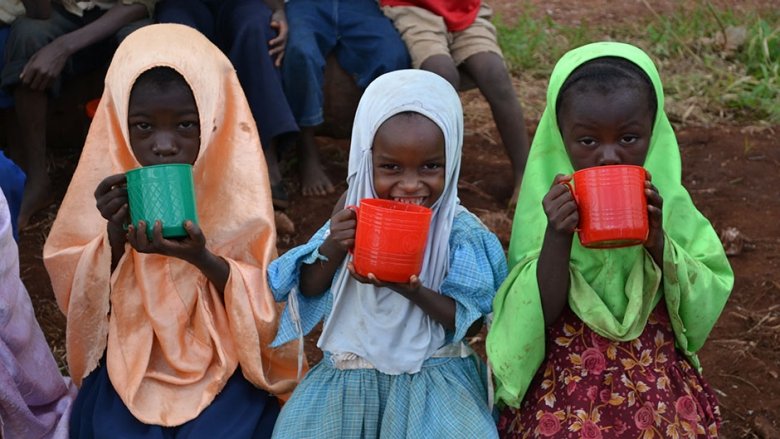
According to the UN World Food Programme, over 828 million people go to bed hungry each night. A disproportionate number live in Muslim-majority nations — Yemen, Somalia, Afghanistan, Syria, and Bangladesh among the most severely affected. The data is stark; the Islamic framework for addressing it is powerful.
The Scale of the Crisis
The WFP estimates that 15 of the 25 most food-insecure countries in the world have Muslim-majority populations. In Yemen, 17 million face acute food insecurity. In Afghanistan, the figure exceeds 20 million. These are not abstract statistics — they are our brothers and sisters.
The Islamic Imperative
The Quran is unambiguous: “And they give food, in spite of their love for it, to the poor, the orphan, and the captive.” (Quran 76:8). Feeding the hungry is an obligation — not an option. The Islamic Development Bank estimates that efficiently collected Zakat could generate up to USD 600 billion annually — enough to eliminate hunger in the Muslim world. The resources exist. The collective will must match them.
The Food4All Programme
Launched in 2020, Food4All has grown from emergency parcels in New York to a structured food security programme in 12 countries. We deliver monthly food baskets to verified food-insecure families, prioritising households with orphans, widows, and the elderly. In 2023 alone, Food4All delivered 48,000 food parcels across South Asia and East Africa — each parcel containing enough staple food for one family for one month.